Perimenopause dry skin and acne: make a moisturizer shopping brief
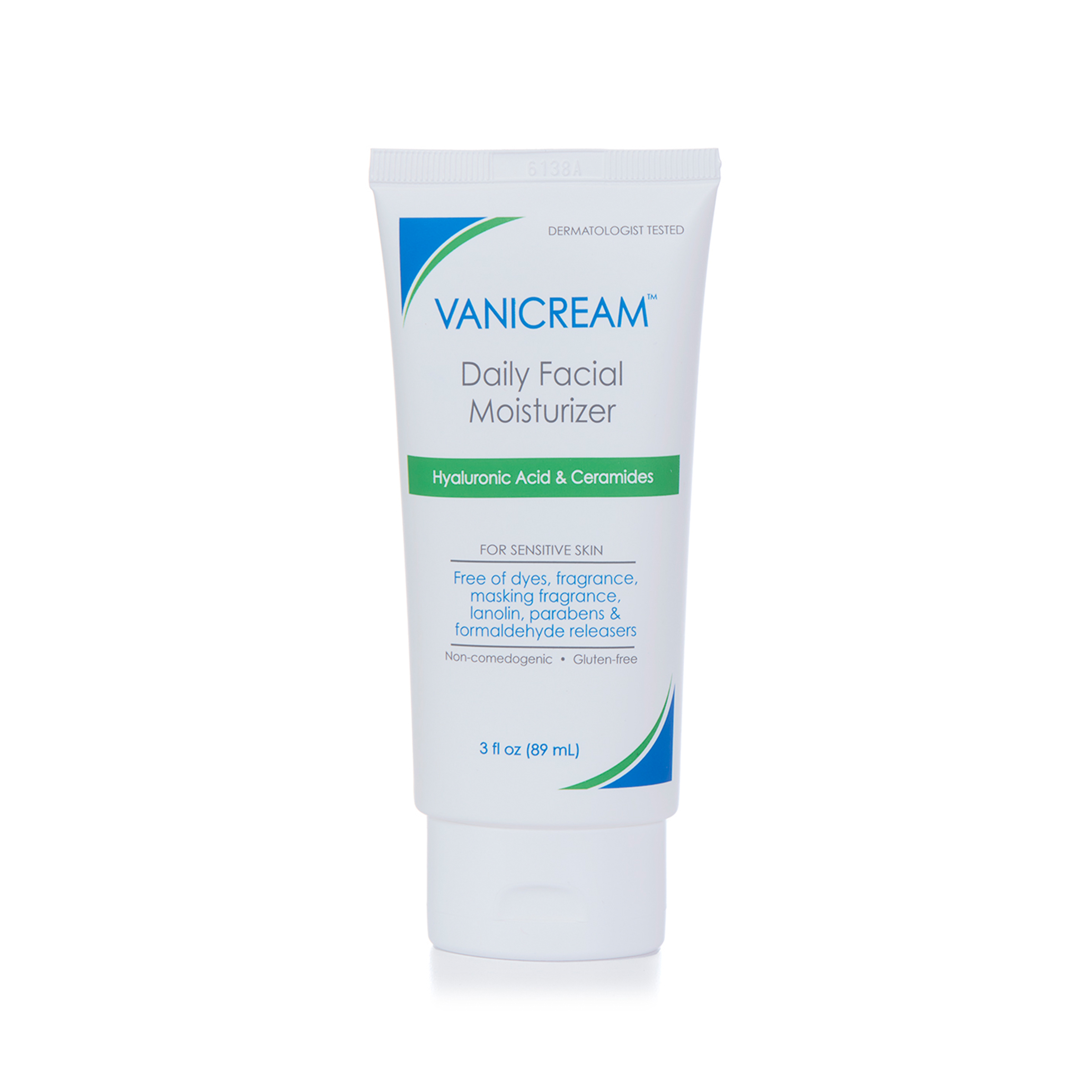
If your skin is dry and breakout-prone in perimenopause, choose a moisturizer that fits both concerns rather than automatically moving to the richest cream or abandoning moisture. Vanicream Daily Facial Moisturizer and CeraVe Daily Moisturizing Lotion are researched day/night candidates with manufacturer non-comedogenic labels. CeraVe PM Facial Moisturizing Lotion is the specifically evening option if you want its niacinamide-containing formula.
What belongs in a dry-skin-and-acne shopping brief?
List the care you already follow, including prescribed products, before comparing moisturizers. Then describe the practical gap: comfort, packaging or an optional layer you want to simplify. Keep the ordinary moisturizer purchase separate from deciding how to treat acne. A product label cannot promise that breakouts will never occur.
How to keep a moisturizer comparison separate from acne treatment
Use exact product names and current directions when reviewing options. Do not replace a clinician-directed plan with a cosmetic recommendation. If breakouts or skin discomfort persist, ask for care advice. Your notes can help explain what you used and what you noticed without assigning a hormonal cause yourself.
Your practical checklist
Make two columns: moisture needs and breakout concerns. Include any clinician-directed care you already follow. A moisturizer shortlist should fit that whole picture. Read the exact product directions and avoid turning a non-comedogenic label into a guarantee. Keep acne-treatment decisions separate from an ordinary moisturizer purchase. If a product is already comfortable and compatible with your plan, changing brands is not automatically progress.
Use research for the question it can answer
Our guidance is researched, not personal product testing. Ingredient lists and directions can support a shortlist; they cannot establish how a product will feel on your skin or prove the cause of a new symptom. Keep observations in plain language and bring persistent or worsening concerns to a qualified clinician. Follow your clinician’s instructions for prescribed treatment.
For the detailed comparison and its evidence, read Moisturizers for dry, breakout-prone skin in perimenopause. The website discloses commission-bearing product links before recommendations. No paid product links appear in this Blogger companion.
Primary dermatology references checked October 3, 2026: American Academy of Dermatology.


Comments
Post a Comment